


EDUCATION9 min read•October 10, 2026

Kids Tech & Educational Screen Time Guide: Healthy Daily Screen Time Limits & Sleep Routines (2026 Advice #1)

Parenting and edtech guide covering Healthy Daily Screen Time Limits & Sleep Routines. Build healthy digital habits, set safe screen time routines, and boost early childhood learning.

DL
D Lucky X Pro Gaming EditorialPublished
Kids Tech & Educational Screen Time Guide: Healthy Daily Screen Time Limits & Sleep Routines (2026 Advice #1)

1. Healthy Digital Education Principles for Modern Children

Technology offers extraordinary cognitive stimulation when guided with structured methodology. This comprehensive overview on "Kids Tech & Educational Screen Time Guide: Healthy Daily Screen Time Limits & Sleep Routines (2026 Advice #1)" provides practical advice for mindful parents.

Disciplined application of these principles directly separates inconsistent results from top-tier performance.

2. Transforming Screen Time into Meaningful Interactive Learning

Reference these verified operational standards for consistent performance:

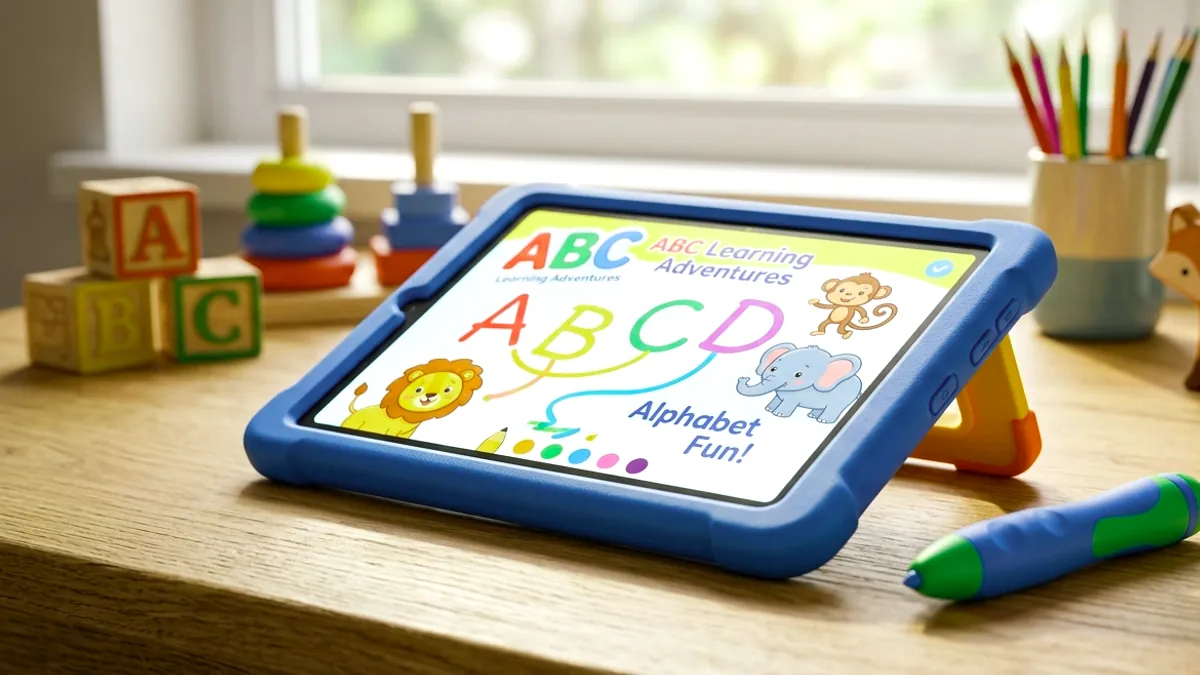
  • Select applications prioritizing active engagement (tracing, puzzle-solving, auditory recognition).
  • Establish structured daily time limits: 30 to 60 minutes per session.
  • Engage directly in co-viewing and dialogue to discuss concepts shown on the screen.
  • Balance digital screen time with hands-on physical activities like drawing or wooden blocks.

3. Child Privacy & Safety Features on Android

Activate Screen Pinning (App Pinning) to prevent accidental app exits, and set automated daily downtime limits via Google Family Link.

4. Guiding Screen Sessions Without Meltdowns

Provide a gentle 5-minute warning before screen time ends. Transitioning smoothly to a fun physical activity prevents frustration when tablets are turned off.

5. Choosing Child-Safe, Ergonomic Hardware

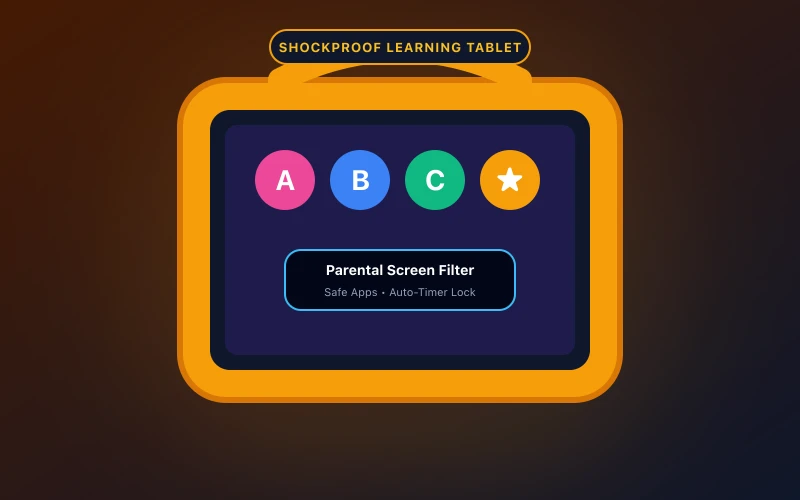
Use protective cases made of shockproof EVA foam and enable Eye Comfort Shield to filter out blue light that could disrupt natural sleep cycles.

Recommended Hardware

Recommended Tablet Hardware for Kids & Early Learning

Protect screens from accidental drops and help children develop pencil grip coordination with tested, child-safe accessories.

All-New Kids Educational Tablet with Parental Controls
Educational Kids TabletAmazon

All-New Kids Educational Tablet with Parental Controls

Kid-proof educational tablet featuring built-in parental dashboard, screen-time controls, and rich curated learning apps.

  • Rugged kid-proof bumper case engineered to survive tough drops
  • Intuitive parent dashboard to set daily goals and screen time limits
Check on Amazon
Ergonomic Chunky Grip Stylus Pen for Kids & Toddlers
Ergonomic Kids StylusAmazon

Ergonomic Chunky Grip Stylus Pen for Kids & Toddlers

Chunky ergonomic grip stylus designed for small hands to practice handwriting, trace alphabet letters, and solve puzzles.

  • Chunky triangular grip promotes natural pencil-grasp development
  • Soft, durable silicone tip protects tablet glass from scratches
Check on Amazon
Heavy-Duty Shockproof Kids Tablet Case with Handle & Stand
Drop-Proof Bumper CaseAmazon

Heavy-Duty Shockproof Kids Tablet Case with Handle & Stand

Heavy-duty shockproof EVA foam bumper surviving accidental drops and throws, with a 180° rotatable handle stand.

  • Non-toxic, shock-absorbing dense EVA foam absorbs extreme impacts
  • Convertible 180° rotatable handle doubles as a dual-angle kickstand
Check on Amazon

Transparency Disclosure: When you buy through links on our site, we may earn an affiliate commission at no extra cost to you.

Direct Amazon Storefront
Monster Math: Brain Training
Official Google Play
5.0 • 500+ Downloads

Monster Math: Brain Training

Fun monster math battle game for learning and brain training!

Frequently Asked Questions (FAQ)

Q: How quickly can noticeable improvements be expected?

By following this guide consistently, most users experience measurable consistency improvements within 2 to 4 days.

Q: Is this approach compatible with all modern Android smartphones?

Yes, 100%. All recommendations utilize standard built-in options and strictly follow developer guidelines.

Q: What is the first troubleshooting step if initial results feel inconsistent?

Re-evaluate your base sensitivities and practice progressive calibration in sandbox practice modes first.

Related Guides & Articles

View All Guides →